


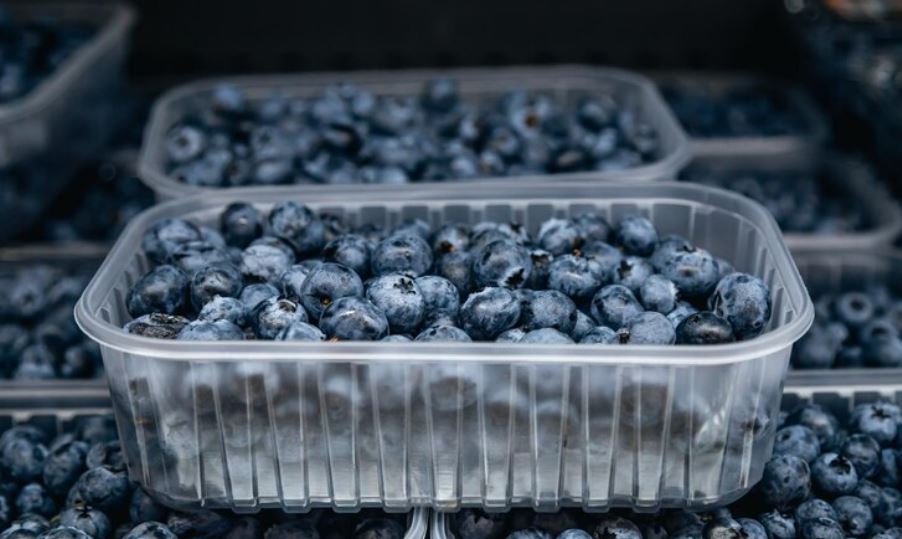
Blueberries have quietly moved into snack bowls, smoothies, and breakfast plates almost everywhere. You see them year-round, which would have seemed impossible just twenty years ago. With all that popularity, some folks wonder: are we heading for a blueberry shortage anytime soon? Turns out, it’s almost the opposite.
Maybe you’ve heard stories about rising demand, big growth in farm acreage, and new markets opening up. That’s all true. But the real headline is that global supply is not only keeping up—it’s expanding at a pretty impressive pace.
2024: Blueberry Production Hits New Highs
Let’s talk numbers for a second. In 2024, worldwide blueberry growers harvested over 2 million tons. That’s a big milestone. And growers aren’t slowing down—industry groups expect farmers to push that number all the way to 3.5 million tons by 2030.
This isn’t just the work of one super-producer, either. Farms in South America, Asia, Europe, Africa, and North America are stretching their berry seasons longer each year. Blueberry fields covered 267,000 hectares across the globe in 2023. That’s about 7% more than the previous year, with the most new acres showing up in Latin America and Asia.
Who’s Leading? China’s Unexpected Rise
If you’re picturing American fields in Maine or Michigan, you’re partly right. But the biggest story lately is China. The country overtook the U.S. as the top blueberry producer back in 2021. In 2023, China alone grew 32% of the world’s blueberries.
A lot of people still think of Peru as “the new kid” in global fruit exporting, but Peru is now a major blueberry heavyweight. Together, just three countries—China, the U.S., and Peru—were responsible for roughly 88% of the world’s blueberries last year.
Still, each region has its own strengths. The U.S. leads in wild “lowbush” types found in the Northeast, while Peru specializes in shipping huge quantities to supermarkets in North America and Europe during the Northern Hemisphere’s winter.
Demand Keeps Surging—But Supply Grows Right Alongside
More people started grabbing blueberries right after health-conscious eating took off around 2010. Blueberries showed up in wellness guides, snacks, and even resealable pouches for your desk drawer.
The U.S. remains the world’s largest single market. Per-person, Americans now eat about 1.3 kilograms of blueberries a year—that’s up threefold over the last decade. Imports jumped 300% over the same period, just to keep up. China, meanwhile, saw demand soar by over 400% in ten years, with fresh berries now showing up in a lot of urban groceries.
Europe’s a little behind when it comes to per-capita snacking, but retailers are trying to catch up. Some European supermarket chains say blueberry sales are up 30-40%, driven by ads pitching the fruit as a healthy grab-and-go snack.
Then there are the fast-growing markets you probably wouldn’t expect—India and Thailand, for example, where blueberry demand is rising 15-25% year over year.
How Blueberries Stay on Shelves All Year
One question keeps popping up: with all this new demand, how do stores still have cases of blueberries in every season?
Imports are the answer. The U.S., for instance, now brings in about 684 million pounds of blueberries each year (that’s up 22% in just one year), worth a record $2.18 billion. Peru, Mexico, and Chile supply about nine out of every ten blueberries in the American off-season.
European shoppers get a similar deal. When local stocks are running low, shipments from Peru and Morocco fill the gap. You might be surprised to learn that Moroccan blueberry farms expanded their planted area by 370% in the past decade, fast enough to make Morocco a top supplier to the EU.
The constant trade keeps prices even and makes sure that a cold front in one part of the world never empties out the stores.
Market Forecasts: Growing Without Scarcity
Industry groups aren’t expecting any shortage headlines soon. With new farms in Africa and Asia coming online, and established regions boosting yields, the trend is all about steady expansion.
Market researchers project annual growth of 8-10% in global production over the next several years. They expect total market value to jump from about $11 billion to between $17 and $19 billion by 2030. Not only are more berries being grown, but new varieties and better infrastructure help get them from farm to shelf with less waste along the way.
At the same time, international trade in blueberries already sits near $7 billion and could hit $10 billion this decade. Around half of traded berries end up in just two places—the U.S. and the European Union.
Why Supply Isn’t Under Threat
So, with all this growth, what’s preventing a real supply crunch? The short answer is diversification and innovation.
First, growers and distributors don’t just rely on one country. The global blueberry map keeps expanding. Think Morocco, China, and even smaller African nations gearing up to export for the first time.
Second, genetic improvements in blueberry plants make it possible to grow fruit in climates that would have seemed too hot (or too cold) a decade ago. Plant breeders found ways to make berries ripen at different times, allowing farms to supply markets almost year-round.
Organic blueberries are holding steady, too, making up about 18-19% of the market. That number looks likely to stay consistent through 2026.
We also have to talk logistics. Advanced cooling tech, better road and shipping networks, and more efficient packing mean farmers can get blueberries from field to market with less spoilage—especially important now that berries travel so far.
The Real Challenges: Costs, Labor, and Domestic Appetite
It isn’t all smooth sailing. Farmers and exporters say logistics costs have crept up, particularly when shipping to faraway places like the U.S. or northern Europe. At the same time, getting enough seasonal labor—especially for hand-picking delicate fruit—remains tricky.
Inflation has also pressured growers in the U.S., Peru, and Chile. Prices for fuel, fertilizer, and packaging have all jumped in the last couple of years. Some producers say they’re getting squeezed by rising costs, even though retail prices for blueberries have often gone down a little since 2018.
Another small but growing wrinkle: as health messaging works in places like China and the U.S., more of the crop is eaten right at home instead of exported. This could tighten margins for exporters, but so far, the industry is finding ways to adjust.
Strategies to Keep the Boom Going
Most experts agree that the secret to continued growth isn’t pumping out more berries from the same fields but spreading risk and testing new ideas.
Expanding into new regions brings a more reliable year-round supply, even if one country hits a tough season. Farmers in South America and Africa are eager to expand acreage, but they’re also quick to try new berry varieties and farming methods.
Some of the biggest breakthroughs come from plant science. New genetic strains help plants handle drought, bugs, or odd weather, all while keeping flavor and shelf life strong.
In the end, all these strategies focus on boosting overall output while keeping waste and costs in check. There’s a quiet race underway to see which regions can deliver the best berries at the best time. That motivates innovation across the board and keeps things moving forward.
If you want a closer look at what’s happening in blueberry trade and farm investment, you’ll find more detail at this site.
What’s the Outlook for Your Grocery Cart?
So, if you’re scanning the produce aisle, there’s no reason to stock up out of fear. Blueberries have become one of the most reliable and widely available fruits on the shelf. Yes, there are real challenges to watch—labor, shipping costs, and local weather are always factors.
But the data shows that every year brings more acres, new export routes, and berries that can last longer on the shelf. Major markets like the U.S., China, and the EU have the supply chain to keep berries coming in even during off-peak months.
For shoppers, that means more options and stable prices. For farmers, it means keeping a sharp eye on efficiency and flexibility as global appetites grow. No one’s talking about running out of blueberries—if anything, the business is expanding to match our taste for fresh, healthy snacks.
It’s just another example of how global farming and innovation work together. So, whether you’re picking up a box for pancakes or a snack, you’ll probably find blueberries waiting for you, nearly any time of year.
Also Read:
