


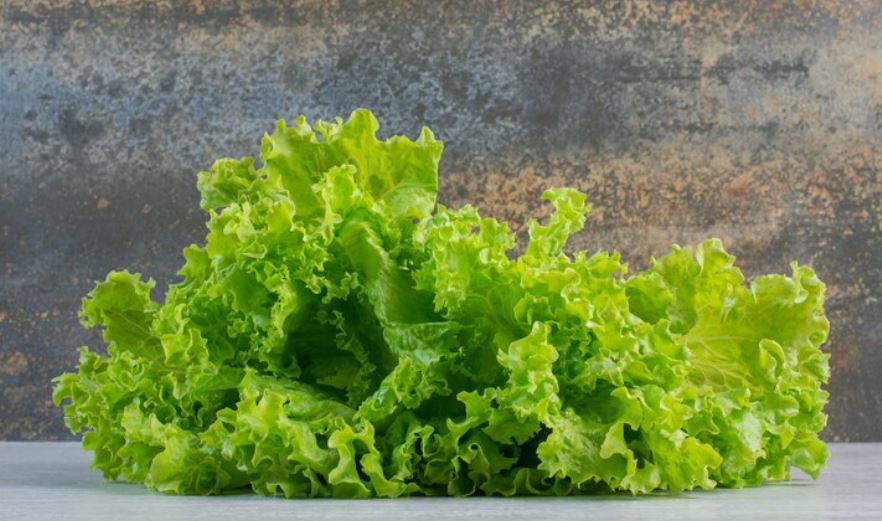
If you noticed your favorite fast-casual chain was charging $4 for a side salad, you weren’t imagining things. All through late 2024 and deep into 2025, lettuce in the U.S. got a lot harder to find—and expensive when you could find it. Here’s the real story behind the shortage, what caused it, and how it shook up everything from grocery shelves to restaurant menus.
The Main Drivers Behind the Lettuce Shortage
When lettuce crops tumble, it’s usually not just one thing. In fact, the shortage came from a mix of bad weather, productive bugs, staff shortages, and the kind of supply hiccups you only hear about when something actually goes wrong.
Let’s break down the biggest reasons.
Weather: The Biggest Wild Card in Farming
Lettuce likes steady, cool, and mild weather—think 60 to 65°F, not much drama. That just didn’t happen in 2024.
If you looked at California’s Salinas Valley, which grows about half the lettuce we eat, it faced heavy rains and flooding. In February 2025, some fields almost washed out. Growers said plants were sitting in waterlogged soil way longer than usual. Even before that, fields got hit with heat waves, especially unseasonably hot days that made the leaves wilt or “tip burn.” Iceberg and romaine were hit hardest.
Down in Yuma, Arizona, where winter lettuce comes from, the problem was basically flipped. Cold snaps chilled the fields, then temperatures jumped. Neither extreme is good for lettuce, as the plants get shocked or just stop growing.
INSV: The Plant Virus Farmers Hate
Even if the weather had been perfect, there was a second wave of problems—plant disease, mostly the Impatiens necrotic spot virus (INSV). This virus gets moved around by little insects called thrips. Once it gets into a field, you can’t really save those plants. Entire fields in the Salinas Valley had to be destroyed.
Organic lettuce got hit especially hard. Usual sprays wouldn’t work, and there aren’t as many control options for organic farmers. Some growers lost most of their crop at a time.
Not Enough People to Pick the Lettuce
There was another major stress point—just having people to harvest the lettuce. In Yuma, where a lot of winter lettuce is grown, sometimes over half the harvest crews simply weren’t available. Fields were left unpicked, so lettuce spoiled in place. The staff shortages led to extra costs too—wages went up, and simply finding people to work was unpredictable.
Changing Growing Regions: Timing Is Everything
The final piece was the seasonal shuffle between growing areas. From late fall, farms in Arizona and parts of California’s desert shift to main production. In spring, everyone transitions back north to the Salinas Valley. When weather, disease, or staffing hit both zones during the transition, it created a longer “supply gap” than normal.
Sometimes retailers went weeks without reliable deliveries. That’s rare, but it happened in early 2025.
How the Shortage Showed Up in Stores and Restaurants
If you walked the produce aisle anytime during that window, you saw the effects. Shelves looked picked-over. Local grocery managers complained they could only get a fraction of the lettuce boxes they ordered.
Some prices got pretty wild. Cases of romaine (usually $20–25) spiked to over $100 wholesale. That meant your restaurant cobb salad cost $4–$5 more or just vanished from the menu for a while.
Which Types Were Hit Hardest?
While iceberg and romaine got the most attention, no lettuce varietal was really immune. Leaf lettuces and organics were also scarce, mostly thanks to INSV and extra costs from missed harvests. People looking for organic salads were often out of luck for weeks or had to pay double, if they could find any.
Restaurants Had to Get Creative—Or Cut Lettuce Completely
Chefs and fast food managers weren’t thrilled, either. You can’t just quietly swap out lettuce in a caesar salad and hope nobody notices—customers do. Some restaurants started offering different greens like kale or cabbage as swaps. Others, especially fast-casual chains, simply scrapped salad menu items until things stabilized.
It wasn’t only about prices. Business owners talked a lot about unpredictability. When that week’s lettuce order didn’t show up, you risked disappointing customers or wasting other ingredients.
Let’s Talk About Supply Fragility
One thing the shortage spotlighted: how dependent the U.S. is on just a couple of narrow growing regions. Both Salinas Valley and Yuma are critical for nationwide supply. If either gets clobbered by disease, flooding, or workforce issues, stores across the country feel it, not just local markets. That makes for some real headaches, both for businesses and shoppers.
The Aftermath: Market Reactions and Consumer Trends
As the shortage dragged on, everyone had to adapt. By summer 2025, demand went down a bit. Some diners skipped salads or cooked more at home with other greens, and when prices are sky high for long enough, folks start to adjust their habits.
Growers tried to ramp up new plantings fast, but lettuce isn’t a “plant it today, pick it tomorrow” crop. It takes several weeks to reach maturity, depending on the type and the season. There’s a natural lag between when you first see empty shelves and when supplies can bounce back.
Interestingly, after initial months of barely-there supplies, by August 2025 wholesale prices actually dipped below the five-year average. That was partly because the earlier spikes got people to buy less, and growers (at least those able to replant) sent more lettuce out. But there were still rolling spot shortages as some fields recovered more slowly.
Finding a Solution: Can Indoor and Vertical Farms Fill the Gap?
So, what do you do if the lettuce fields are always at risk from either climate or bugs? Some companies and investors have turned their attention to growing lettuce indoors. You may have heard terms like indoor farming, vertical agriculture, or hydroponics.
These set-ups grow leafy greens inside warehouses or stacked “farms” using nutrient-rich water systems, not soil. They’re protected from most weather shocks and many common diseases. You can cycle harvests all year round, without having to worry about Salinas flooding or a heat wave in Yuma.
Of course, this farming doesn’t work everywhere, and it’s still a tiny part of the total lettuce market. But recent shortages brought new investment, and some grocery stores in big cities now source some of their lettuce from these high-tech facilities. They’re not perfect—they use a lot of energy, and sometimes the taste or texture can be a bit different—but for steady fresh greens, they’re catching on, especially with restaurants in supply crunches.
Another big angle: these farms don’t need nearly as many field laborers, which avoids the worst impacts of staff shortages. They also can operate near cities, trimming down long-distance shipping and supply chain delays.
Are Shortages Still Lingering?
Entering the end of 2025 and looking at 2026, things have settled down a lot. The panic-buying is gone, and salad isn’t a missing menu item anymore at most places. If anything, some growers are even having to discount lettuce to keep it moving, as consumers got a little less salad-crazy during the worst of the price spikes.
Grocery stores report normal supplies, though prices can still be touchy if a cold snap or heat wave blows through the core regions. Farmers and suppliers are watching for new outbreaks of INSV and have invested in some new field management tools. Indoor lettuce is still a small but growing share, giving some backup in case outdoor crops fall short.
If you’re a business owner, distributor, or just a regular grocery shopper, you know now to expect some swings. For more info on how businesses adjusted during supply hiccups, you can see stories like this one at somebusiness.co.uk.
What We Learned About Food Supply Chain Fragility
When the lettuce shortage hit, nobody could pretend the food supply chain is simple or totally stable. Weather, bugs, labor, and hand-off points between regions all matter way more than we think when the store shelves are full.
Now, suppliers, growers, and stores talk more about backup plans, diversifying sourcing, and technological alternatives—like controlled environment agriculture. If you care about keeping prices reasonable and options open, it’s worth paying attention to how these next few years shake out.
So, that’s the story. After a stressful and expensive year, lettuce is back to being just another salad in the fridge. But for farmers, buyers, and anyone who makes a living moving food, the lesson’s clear: everything in that supply chain is connected, and the weakest link can cause problems you’ll actually notice at lunch.
Also Read:
