


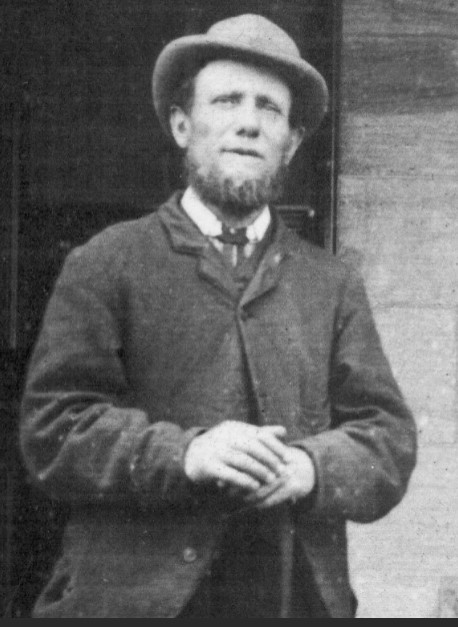
Hey there, ever heard of Mungo Park? If not, buckle up because his story is nothing short of an exhilarating ride through uncharted waters—or in his case, the dusty trails of West Africa! Imagine being the first Westerner to document the upper reaches of the mighty Niger River. That’s right, Mungo Park, a Scottish surgeon with a flair for adventure, blazed trails and etched his name in the annals of exploration. He wasn’t just an explorer; he was a pioneer who sparked Europe’s curiosity about Africa. Ready to walk in his shoes?
Early Years and Education
Let’s rewind the clock to September 10, 1771, when little Mungo Park made his debut in the quaint town of Selkirk, Scotland. Picture a boy growing up in the shadow of misty hills, destined for anything but an ordinary life. Fast forward a few years, and there he is, sharpening his medical skills at the University of Edinburgh. You could say he had medicine in his veins, but he was also itching for a taste of the unknown. Studying to be a surgeon, Park was about to stitch together dreams that went way beyond the sterile confines of a hospital.
Initial Interest in Exploration
Now, let’s say you’re a young medical officer aboard a ship in 1792, bound for the exotic East Indies. The air is salty, the wind in your hair is pure freedom. For Park, this voyage was a revelation. Amidst trading trips and studying Sumatra’s vibrant plant and animal life, a spark ignited. Suddenly, it wasn’t just about knowing the body; it was about understanding the world. His observation of a new fish species was the nudge he needed, pushing him further along the path of exploration. It’s like he was a bird finally finding his wings—I mean, who wouldn’t want a taste of that?
The First Grand Adventure (1795–1797)
And then, the real adventure kicked off on June 21, 1795. Mungo Park set sail, letting destiny lead him to West Africa. Imagine the excitement and the fear of venturing into the unknown! Landing at the Gambia River, his journey was anything but smooth. Fever hit, and he endured imprisonment by a Moorish chief. But Park? He wasn’t the kind to fold. With only a compass and his trusty horse, he made a daring escape. This bold move led him to a breathtaking discovery—the Niger River at Ségou! It was as if Mother Nature herself had opened her arms, welcoming him to her secrets. Park charted the river downstream, laying the groundwork for explorers to follow.
Return and Influence on Europe
So, you conquer the wilderness and find your way back, battered but victorious. That’s what Park did. Upon his return, he was a hero, a figure of fascination. His account, “Travels in the Interior Districts of Africa,” wasn’t just a book; it was a revelation. Europe was hungry for stories of distant lands, and Park’s adventures delivered in spades. Suddenly, exploring Africa was the “in” thing, and Park was the inspiration.
Life After the First Expedition
Back in Scotland, Park’s life could have taken a quieter turn. He got married and settled into a medical practice. But let’s face it, once you’ve tasted adventure, a return to routine can feel like stepping from Technicolor to black and white. So, when the opportunity for a second expedition knocked, Park couldn’t resist. He knew the risks, knew what lay beyond the horizon. Still, his heart yearned for the rivers and lands of Africa, and in 1805, he found himself back on that continent of wonders.
The Second Expedition (1805–1806)
Imagine heading off with a band of 40 brave souls to the heart of Africa. That was Park and his team in 1805. Their goal? To trace the Niger River’s true path. But the journey was grueling. Out of 40, only 11 survived the march to Bamako and Ségou. Exhausted yet undeterred, Park pressed onward. As he and his comrades navigated down the Niger in canoes, fate dealt a cruel hand. Near Bussa Rapids—what a dramatic name, right?—tragedy struck. An attack by locals led to Park’s untimely disappearance. What happened exactly? That’s a mystery as deep as the Niger itself.
Legacy and Impact
So, what did Park leave behind? More than just footprints. His expeditions set a new standard for African exploration. They piqued the interest of colonial powers and painted an exciting, albeit challenging, picture of the African landscape. Park wasn’t perfect; his theory that the Niger merged with the Congo was off track. Yet, his bravery and determination were undeniable. His resting place might remain a mystery, but reports suggest his bones rest near the Niger’s waters—a fitting end for a man lured by its call.
Conclusion
Mungo Park lived and breathed discovery. His journeys weren’t just physical; they were a testament to human curiosity, courage, and the thrill of the unknown. His legacy of bravery and love for exploration endures, inspiring generations even today. Imagine carrying such an insatiable hunger for discovery in your heart. Here’s the thing: Park reminds us there’s always another horizon waiting.
Want to dive deeper into the world of Mungo Park? Check out more about historical explorations and their impact on the worldhere.
Now, are you inspired enough to take your own leap into the unknown?
Also Read:
