


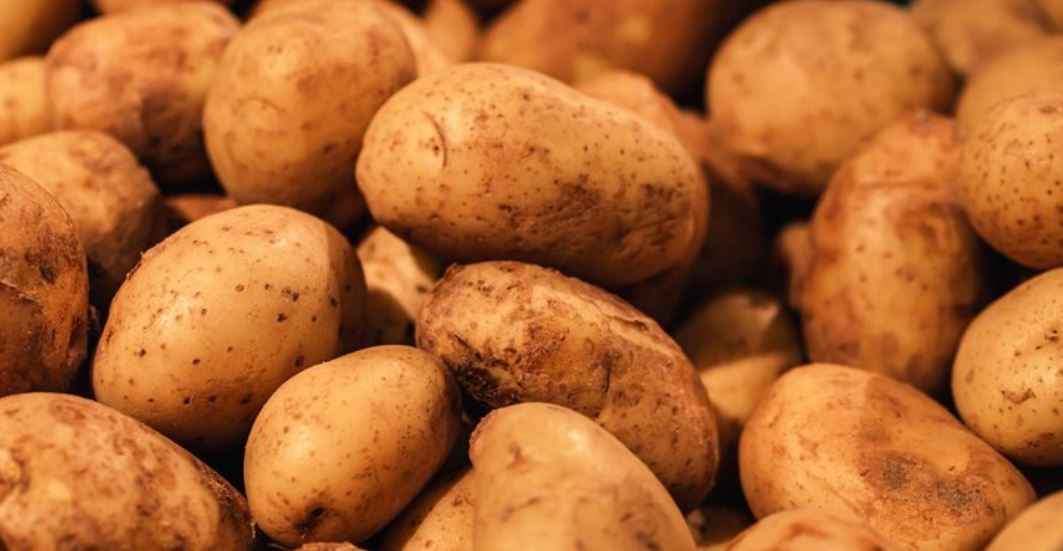
If you picked up chatter about potato shortages this year, you’re not alone. The thing is, the real story as 2025 closes isn’t a shortage—it’s the opposite. Europe’s swimming in potatoes after record-smashing harvests, enough to give farmers, traders, and even some fry plants a real headache. It’s changed the pricing game and is causing ripple effects far beyond the fields.
Europe’s Bumper Crop: Why There Are Too Many Potatoes
Let’s start with the numbers. In France, farmers pulled almost 8.5 million tons of potatoes from the earth in 2025. That’s up 13% from last year. They also dedicated 197,000 hectares to spuds this year, up 15% compared with 2024.
Across north-western Europe, everyone expanded potato acreage. Processing farms alone saw a 5.5% increase in land—partly because the 2024 season paid out nicely. Then the weather played along: steady rains, warm temperatures, not too much heat or disease. Yields per field hit new heights.
The end result? Too many potatoes, everywhere you look.
When Supply Outpaces Demand: Why Prices Tumbled
Suddenly, what looked like a sure bet in early spring—plant more, make more—turned into a scramble. Potatoes flooded traditional fresh markets and processing companies all at once. Storage facilities filled up early. Selling prices went into free-fall, dropping to levels most growers hadn’t seen this decade.
Reports out of Belgium and France show some farmers only getting back 20% of what they put into planting and digging. Last year, the high prices pushed everyone to grow more. This year, bumper harvests have left most folks regretting that decision.
Farm cooperatives warned members by midsummer: be careful about next year. No one wants to see barns and warehouses left sitting full again.
Export Woes: Why Europe’s Potatoes Aren’t Travelling Far Enough
A big part of the struggle comes down to exports. Usually, if there’s extra supply, Europe ships processed potatoes—think frozen fries and flakes—around the world. This year, though, things hit a wall.
EU-27 exports of French fries, for example, dropped 5% in September. That’s only 148,500 tonnes, as fewer orders came from both the United Kingdom and key Asian markets. Some of the drop is about price, but there’s more at play. Everyone else with potatoes is holding steady. They have no reason to pay top euro for extra fries from Europe’s bumper pile. Freight rates didn’t help, either, as shipping got pricier in the key months after harvest.
All of this made it even harder for farmers and processors to offload excess stocks. Some are just waiting it out, hoping things shift by spring.
Global Potato Market Holds Its Ground—Except in Europe
While Europe was awash in spuds, the global picture looked different. North America mostly balanced supply with domestic demand. U.S. farms had a routine crop year, although a few states saw dry spells slow yields. Asia and Oceania also stayed pretty steady—no crazy swings in either direction.
Not surprisingly, the oversupply in Europe weighed on export markets. Prices for European potatoes were lower than much of the competition, but not low enough to move the extra tons. That meant European potatoes largely stayed at home.
Other regions did adapt, though. For instance, some Asian importers—think Indonesia and the Philippines—continued bringing in processed potato products. Demand here stayed strong, especially from fast food and snack makers.
Not all U.S. potato farmers felt out of the woods, though. There’s been a push from American industry leaders to open more markets, especially Japan. If the U.S. could break through all the trade barriers—tariffs and quotas mainly—they stand to gain as much as $150 million a year. But so far, progress has been slow.
Some U.S. producers are even lobbying for extra support at home. They’re asking federal lawmakers for relief, blaming not just low potato prices but drops in corn and wheat values too.
Asia’s Adapting Potato Contracts—and Facing New Seed Issues
Across Asia, the potato situation looked stable, if a little unpredictable on the edges. Fast-rising economies like Indonesia and the Philippines actually increased potato imports in 2025, but with a twist: buyers wrote shorter contracts. They were skeptical that prices had really found a floor, and they hoped to lock in better deals if Europe kept flooding the market.
Meanwhile, there’s a new worry: seed potato shortages in some Asian regions. Raising high-quality potatoes needs the right kind of seed tubers—a starting point for each crop. Scarcity here bumped up costs for local growers and could cause headaches later if supplies don’t bounce back.
Even with those complications, local demand for potatoes—both for food service and supermarket shelves—remained solid. Growers in Vietnam, China, and India reported business as mostly usual, with no real supply issues on the horizon.
What European Farmers Are Doing Next
So, what do you do if you’re sitting on way more potatoes than you can sell? That’s exactly what European producers are wrangling with right now.
Several farmer organizations are recommending folks plant less in 2026. The message is clear: don’t assume demand will magically come back or that the world will soak up leftovers. Price stability is likely only if acreage drops. Some are looking at alternative incomes too—selling crops for starch or even animal feed. But prices in those sectors aren’t strong enough to balance out the gap left by the loss of exports.
Growers in the Netherlands and Germany are talking with processors to renegotiate contract terms. Both sides want more flexibility if another record harvest pops up. Storage investments have risen (extra refrigeration, longer-term warehouses), but even the best cellars fill up fast when every neighbor had a good year.
Why No Global Shortage—But The Stories Keep Circulating
People hear about potato problems and immediately think “shortage.” Reality says otherwise in 2025. Globally, production topped 383 million tonnes in 2023, and this year was comparable. Some countries wrestled with moving product, but shelves, processors, and fryers stayed stocked.
The stories of shortfalls mostly show up in niche markets. For example, some growers in China saw delays getting seed potatoes for planting, and a few isolated processors scrambled for specific varieties. But on the whole, there’s no broad potato shortage. If you walk into a supermarket—be it in Paris, Manila, or Detroit—you’ll still see plenty of potatoes.
What’s Next for 2026? Some Room for Hope
There’s a bit of optimism heading into the new year. European storage is still packed, but signs point to less planting in 2026. That should chip away at the surplus across France, Belgium, and parts of Germany by midsummer.
Plus, costs for running cold storage dropped a bit this fall, thanks to more stable gas and electricity prices. This helps farmers hold onto their spuds a little longer, waiting for prices to tick up. Meanwhile, demand for potatoes in Asia and Africa is expected to grow—not just for fresh eating but in frozen products and industrial uses too.
Experts say potatoes are pretty resilient as a crop. They’re adaptable across climates, don’t need as much water as some grains, and can be bred for anything from baking to crisping. Interest in new, more disease-resistant potato types is growing fast. Some business leaders even call the last decade the “Age of the Potato.” Whether or not you buy into that nickname, it’s clear potatoes now matter a lot for global food security.
In the U.S., the big goals are tackling export hurdles and finding more ways to turn potatoes into higher-value products. If trade with Japan or Mexico gets easier, expect another billion-dollar boost for the U.S. industry. You can read more about strategies some processors are using over at this industry resource.
Bringing It All Together: 2025’s Potato Market in Perspective
Looking back over 2025, it turns out “too many potatoes” was a more common headline than “not enough.” European farmers are the ones bearing the brunt. They’re adjusting fast—facing difficult choices about downsizing or taking on different kinds of contracts.
Globally, though, no one’s debating whether potatoes will stay important. With climate shifts, unpredictable markets, and changing diets, producers and industry groups everywhere see potatoes as a kind of insurance policy—good for feeding people, steady for business, and flexible enough for just about every market.
For you and me, that means potato prices will likely stay reasonable heading into 2026, and your favorite fries won’t be going anywhere. It’s a weird time for growers, but for the world’s dinner tables, the potato looks as reliable as ever.
